Beacon Apex Technologies
Flagship Technology: SMH RF-Mist Hybrid Engine
1. The Discovery
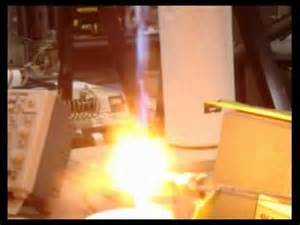
In 2007, John Kanzius demonstrated that a radio-frequency field at approximately 13.56 MHz could cause saltwater to release a combustible mixture of hydrogen and oxygen. Later work, including tests associated with Penn State, showed the reaction could still occur at power levels as low as ~300 W once the liquid was inside the saturated radiation field.
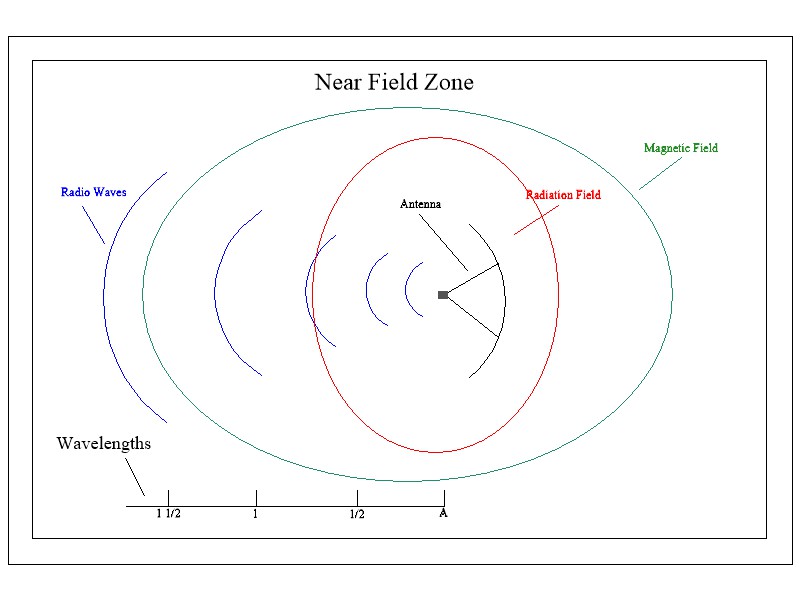
The critical observation is this: the limiting factor was not an absolute energy barrier. It was geometry. The saturated RF field occupies a three-dimensional volume around the antenna or coil. At lower power that volume is small. At higher power it grows. Only the liquid that sits inside that saturated volume participates fully in the reaction.
2. The Conceptual Leap
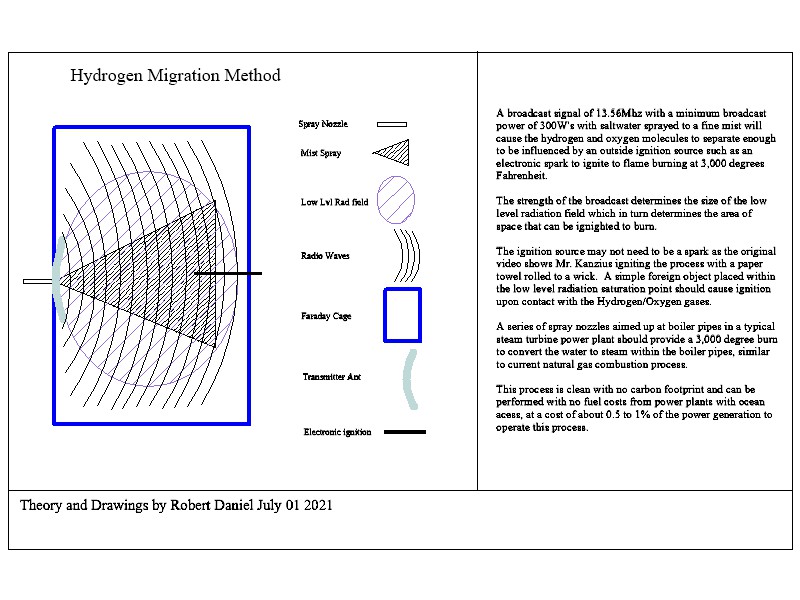
Instead of trying to scale a tiny test tube of bulk liquid, the approach is to fill the entire saturated RF field with a fine saline mist. By turning the whole field volume into reacting mass, the combustion event can be sized to match a practical piston displacement.
This is the core of the Hydrogen Migration Method: create the conditions for hydrogen and oxygen to separate and ignite inside a controlled volume of mist rather than a static pool of water.
3. The Engine Vision
The long-term goal is a hybrid internal combustion engine that runs on RF-activated water-mist fuel.
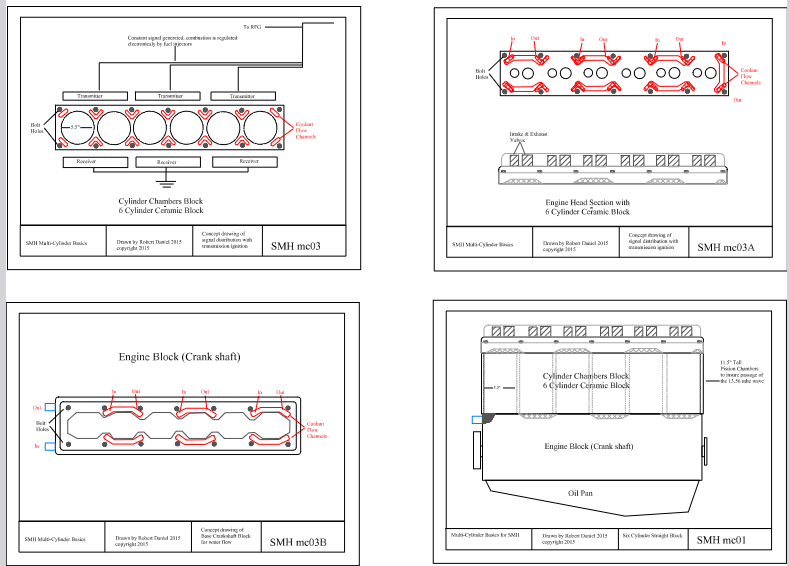
A single cylinder can be matched to a practical RF field size.
A multi-cylinder engine can give each cylinder its own timed coil or transmitter.
The architecture remains compatible with conventional pistons, crankshafts, and engine blocks.
The path runs from low-power open-tube demonstration to real horsepower in a pressurized, multi-cylinder prototype.
The combustion chamber itself must be RF-transparent (high-temperature ceramic or glass) so the field can reach the mist without being blocked by metal.
4. The Proof Path (POC, Proof of Concept)
Before any pressurized combustion chamber or multi-cylinder block is built, the physics must be proven in an open system.
The current proof-of-concept uses a cast acrylic or high-strength glass tube with an external helical copper coil. Fine saline mist is introduced into the tube while a 13.56 MHz RF generator (with automatic matching network) drives the coil. The goal is clear, repeatable, and controllable RF-driven combustion of the mist.
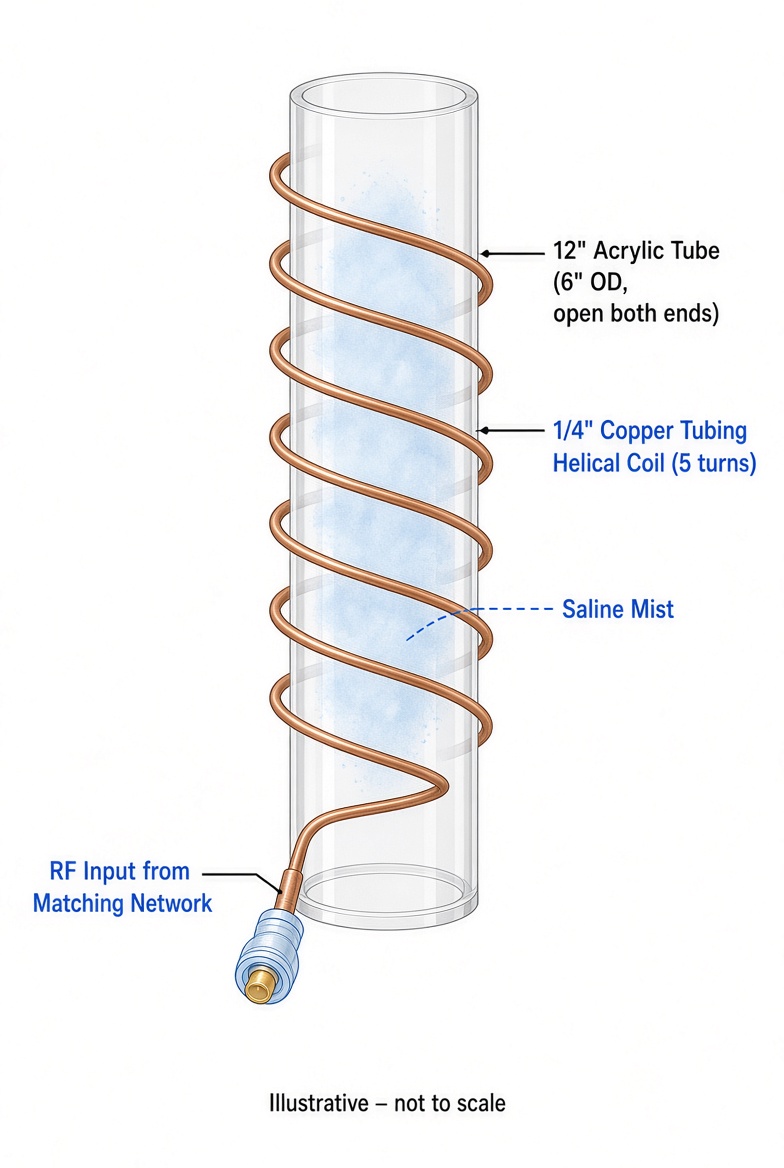
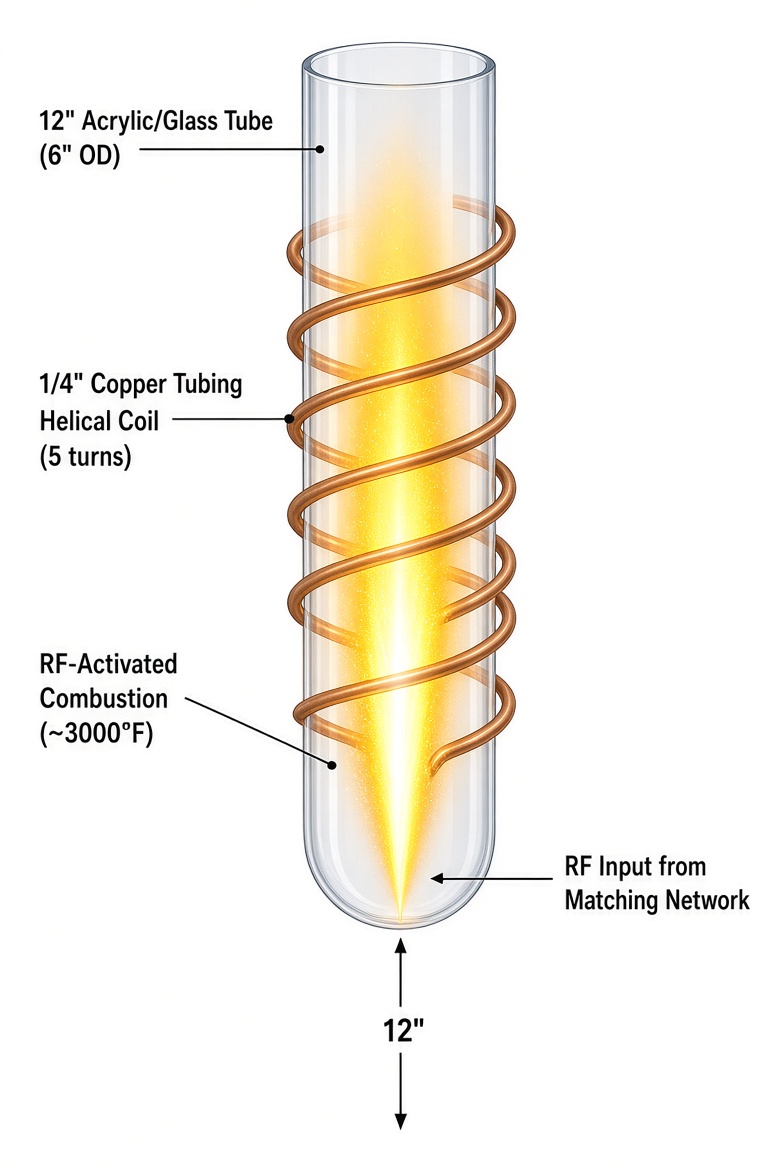
These open-tube tests are the necessary first gate. Tests are expected to begin towards the end of August early September of 2026
5. Why This Order Matters
The open-tube POC is not the product. It is the proof that the saturated-field + fine-mist concept scales the way the theory requires. Only after that demonstration is successful does it make sense to design and build a pressure-capable ceramic chamber and, later, a multi-cylinder engine.
6. What Success Looks Like
Clear visual and measurable combustion events inside the open tube.
Confidence to move to a sealed, pressure-capable combustion chamber.
From there, a multi-cylinder prototype that can begin producing usable power.